
Last posts (games) (english only)
-
Installing Add-ons for The Elder Scrolls Online Using Minion (2026)
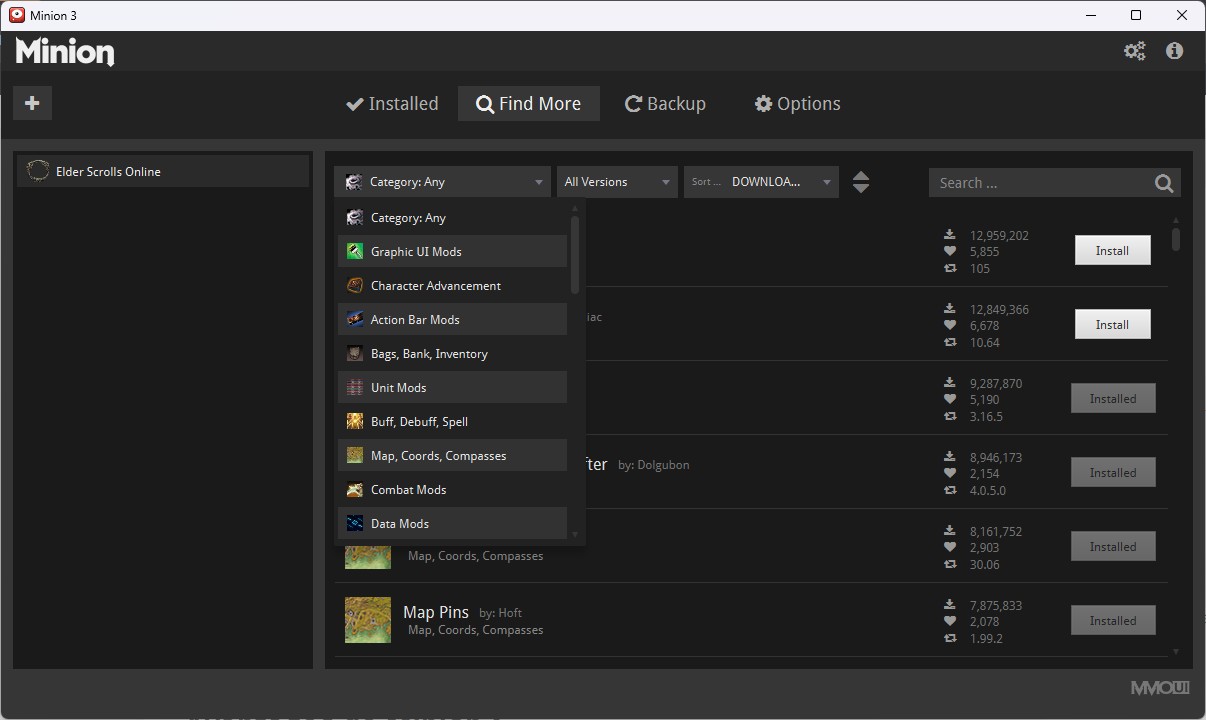
Last updated on If you play The Elder Scrolls Online, you probably already know that addons can transform your gaming experience. Whether it’s improving the interface, making crafting easier, optimizing your DPS, or tracking resources, addons have become essential.But how do you install them easily without getting lost in the…
-
The essential addons for The Elder Scrolls Online (2026)
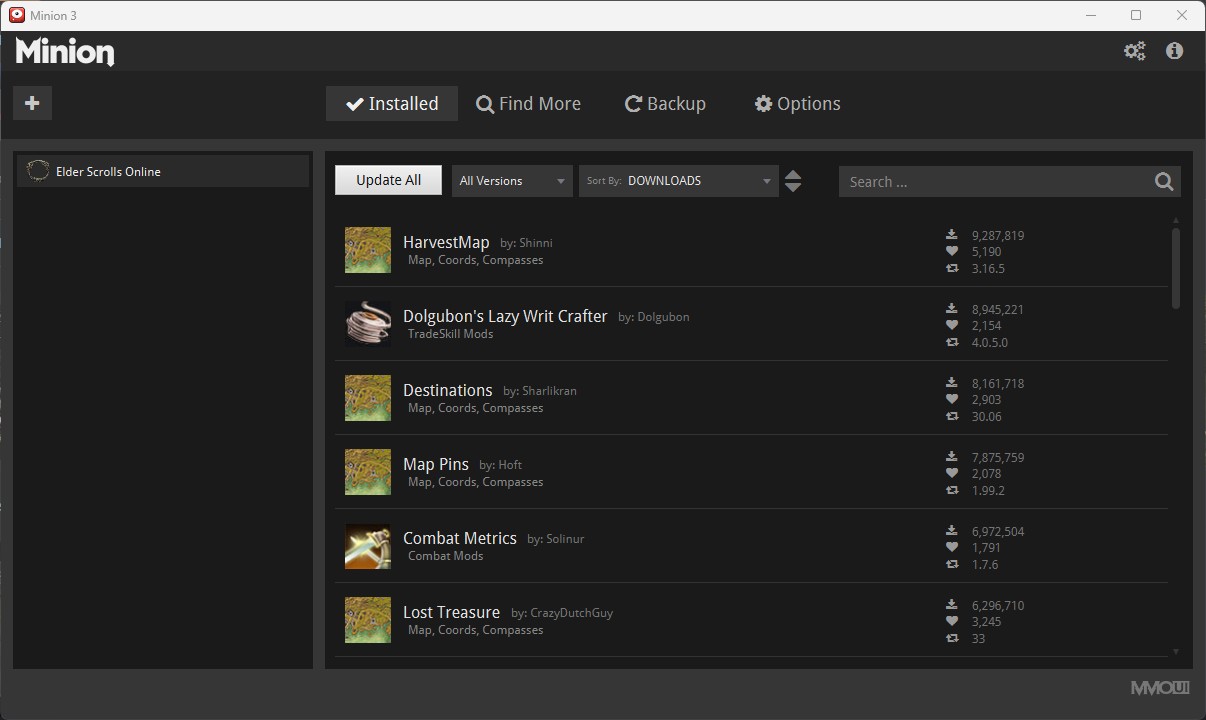
Last updated on Whether you are a beginner adventurer or a veteran of Tamriel, addons can completely transform your gaming experience in The Elder Scrolls Online. They improve the interface, optimize your gameplay, and help you save valuable time every day. If you don’t know how to install addons, follow…
-
Improve TESO’s graphics using NVIDIA filters

It is possible to significantly enhance the visual appearance of The Elder Scrolls Online thanks to the NVIDIA filters available for RTX graphics cards. Step 1: Check that NVIDIA filters are enabled In the NVIDIA settings, make sure the In-game Filters option is enabled. Step 2: Open the filter interface…
Random screenshots





Last posts (development) (english only)
-
Properly Handling File Deletion on a CDN (S3) with Laravel Filesystem and Spatie Media Library

When working with remote storage such as S3, Cloudflare R2 or another S3-compatible CDN, file management can quickly become problematic if it is not properly controlled. A common case appears when deleting files linked to a database. In this article, we will look at: The problem: Laravel does not always…
-
Laravel: List all queries of an SQL transaction with DB::listen()
When an SQL transaction becomes complex, it can be difficult to understand exactly which queries are executed and in what order. Laravel allows you to listen to all SQL queries using the DB::listen() method. Example of listening to queries inside a transaction Result obtained: Warning: DB::listen() should not be used…
-
Laravel : prefer chunkById() over chunk() for batch processing
Laravel provides several methods to iterate over large amounts of data without exhausting memory, including chunk() and chunkById(). Although chunk() may seem convenient, it is strongly recommended to prefer chunkById() for all batch processing tasks. The chunk() method works using SQL offsets (LIMIT / OFFSET). However, if records are added,…